Research
Overview : Organic Semiconductors

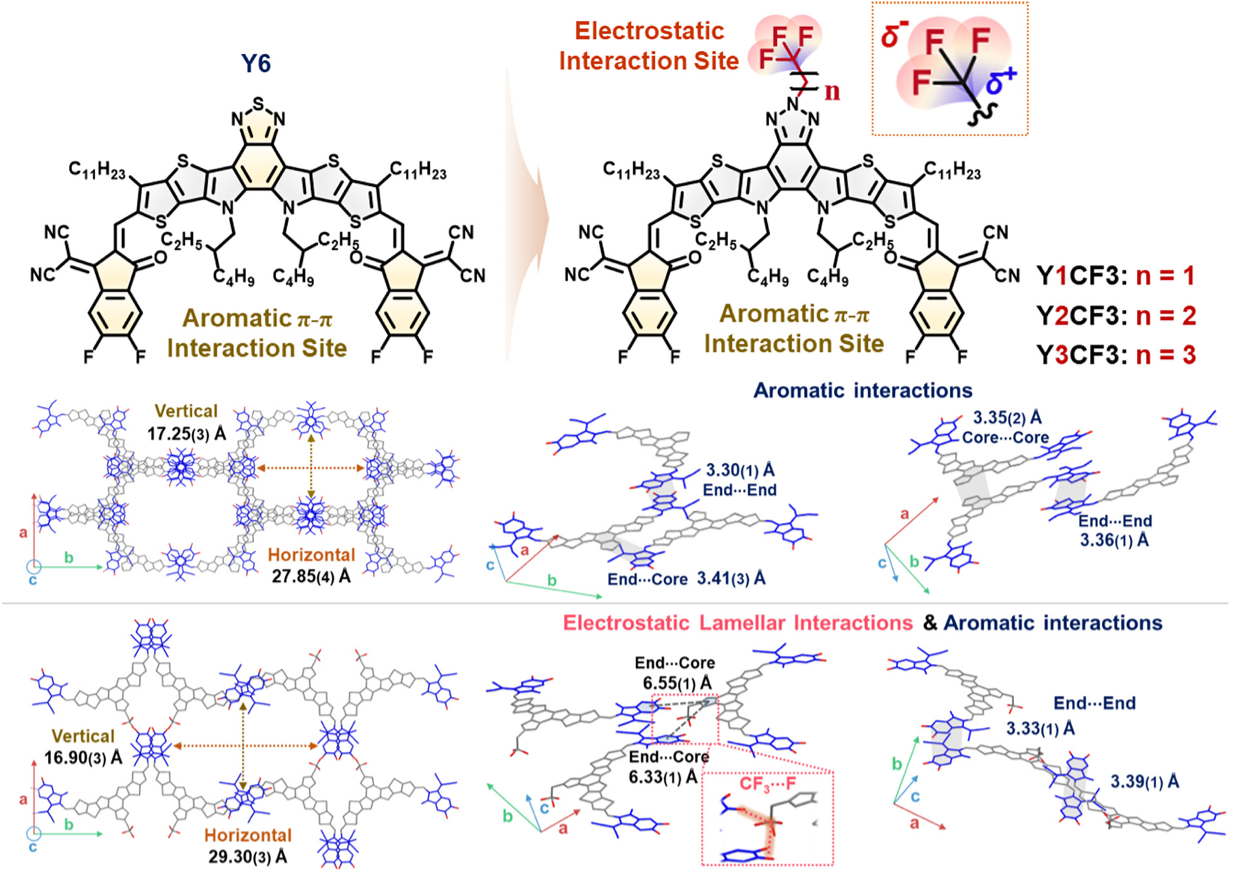
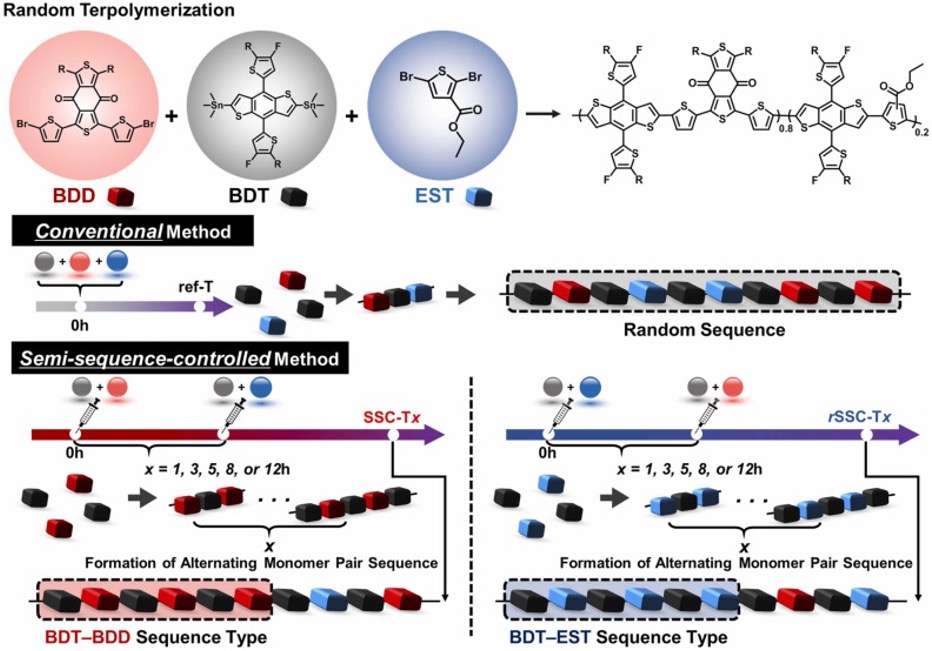
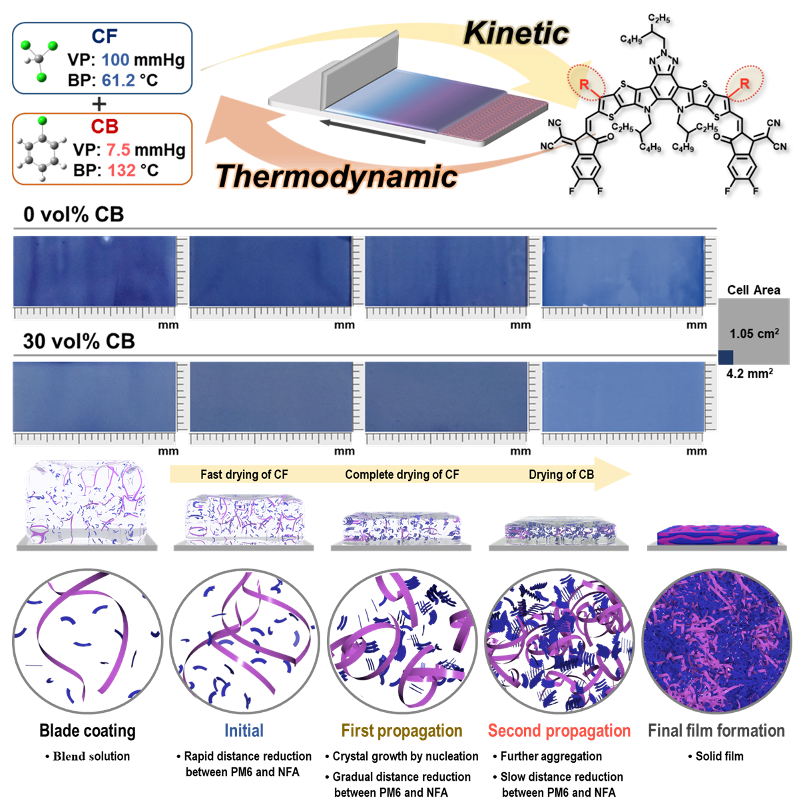
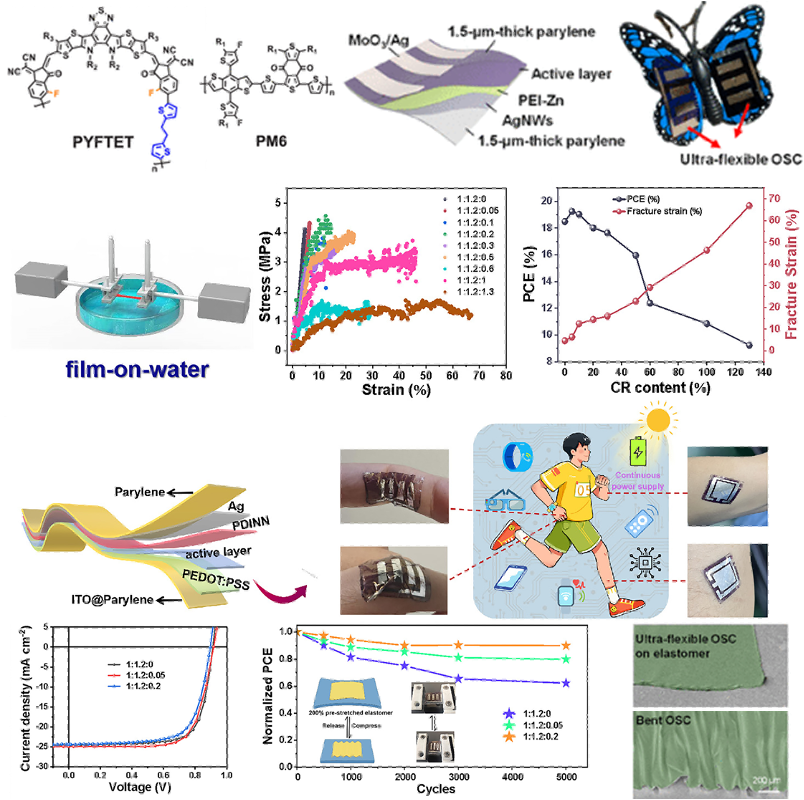
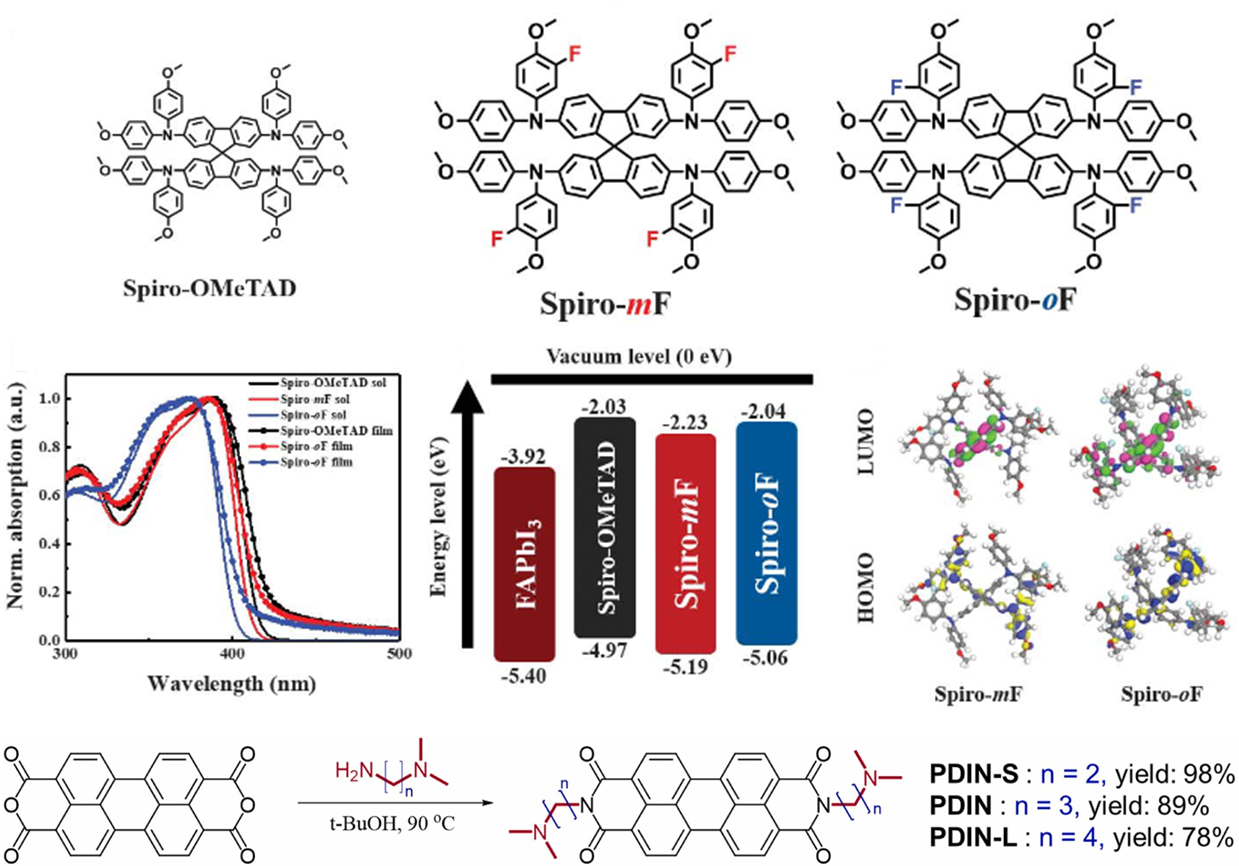
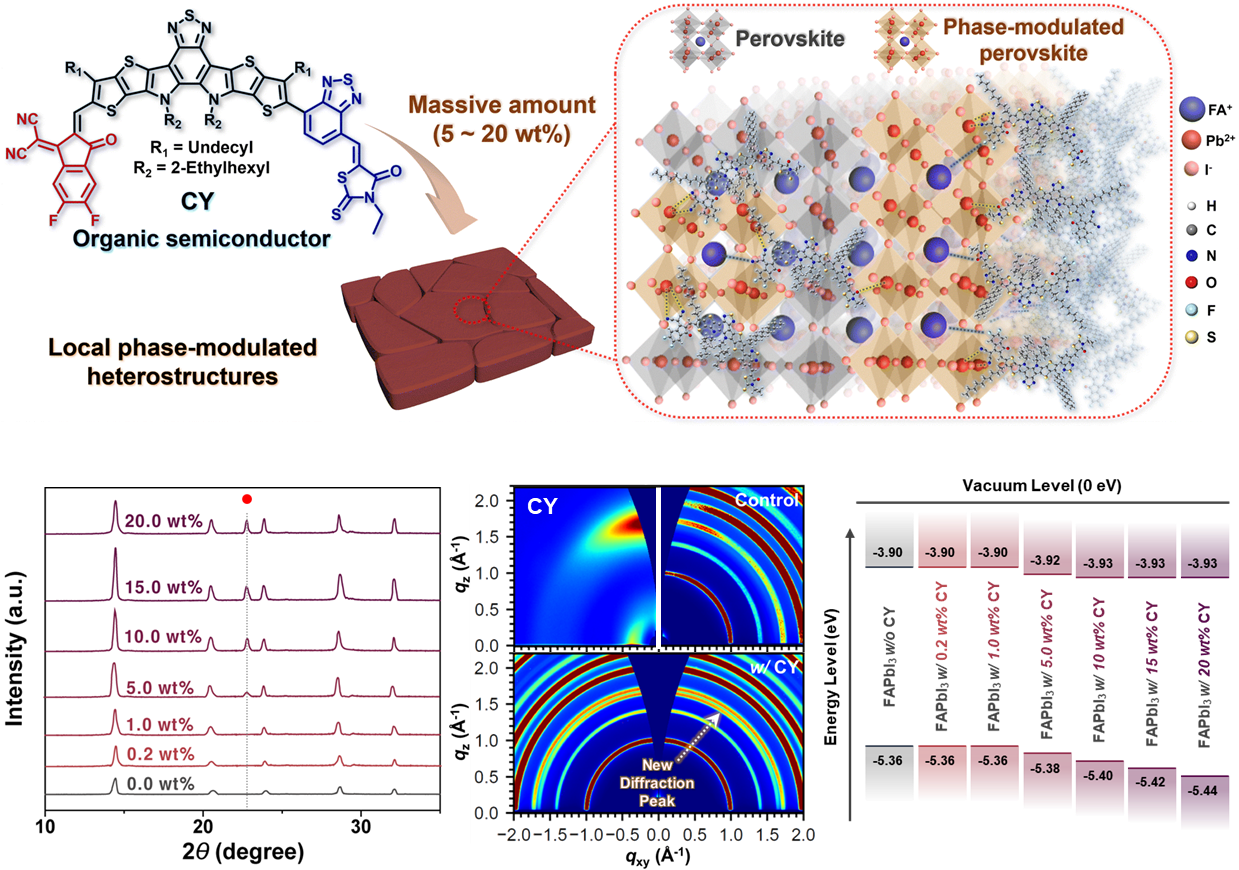
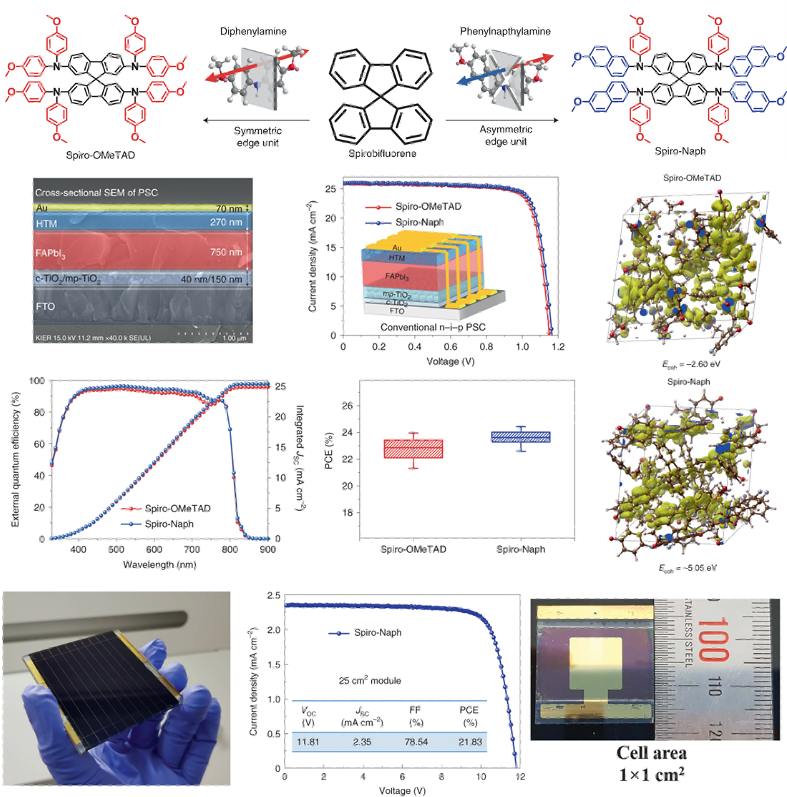
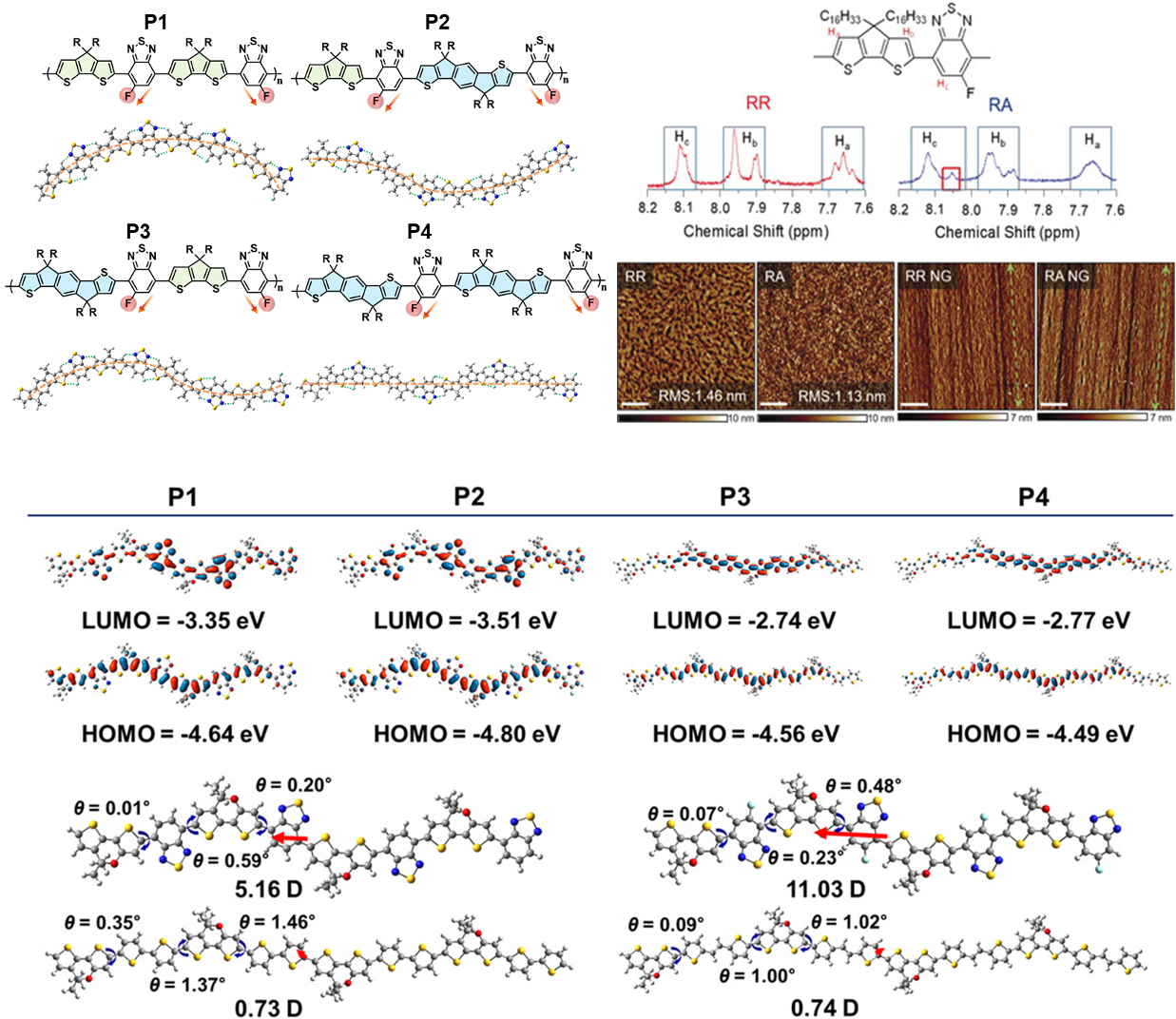
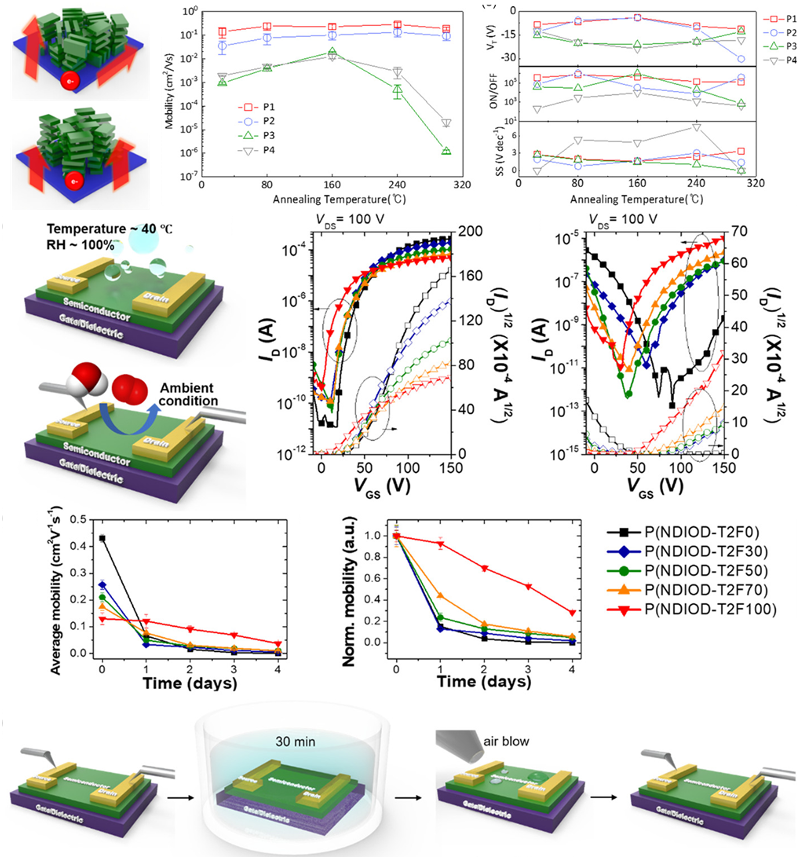
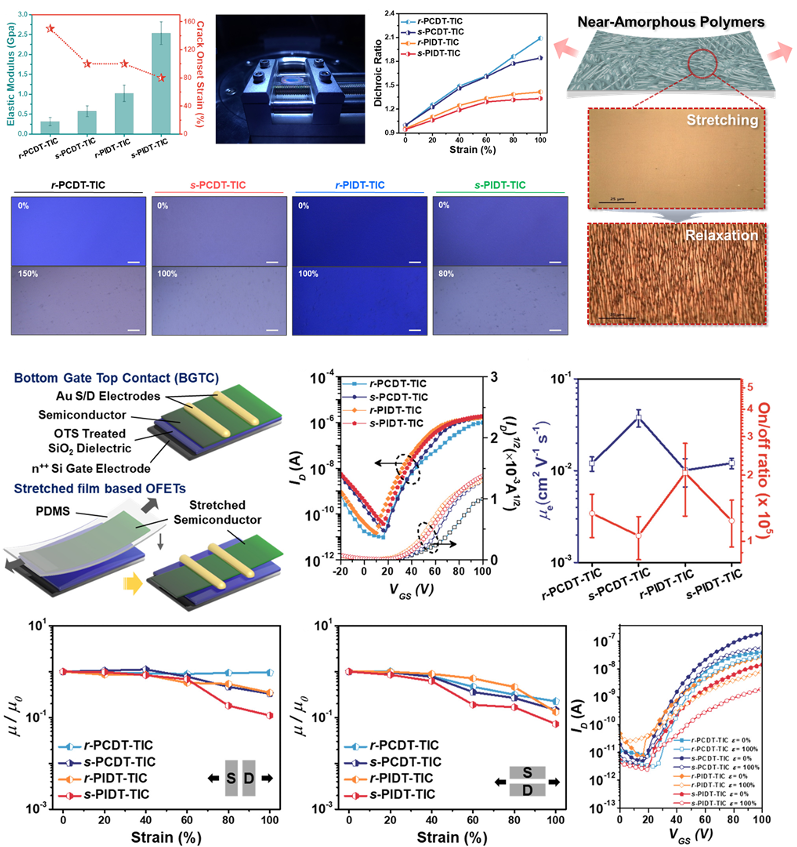
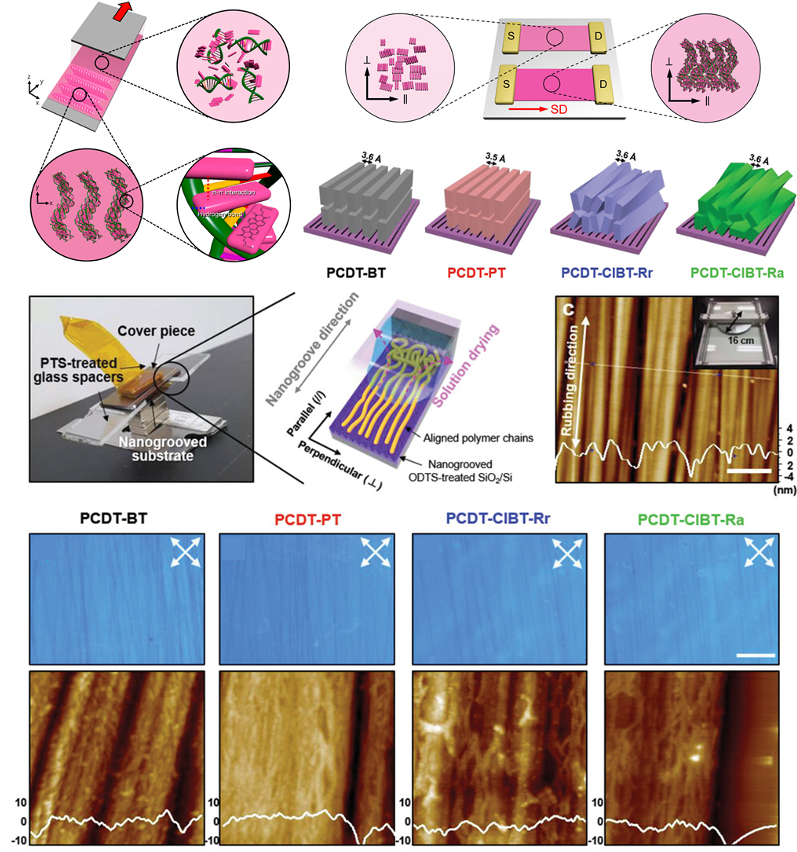
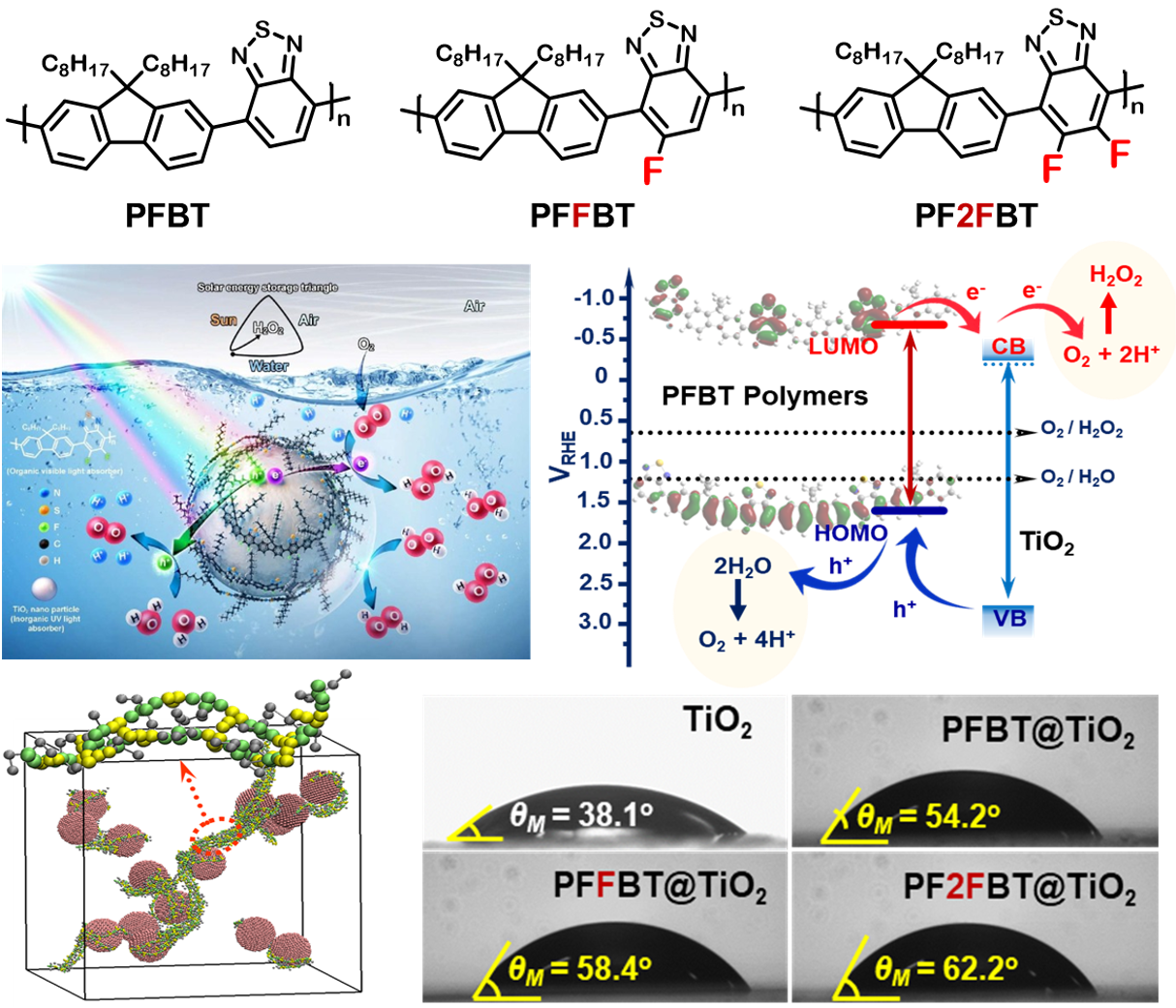
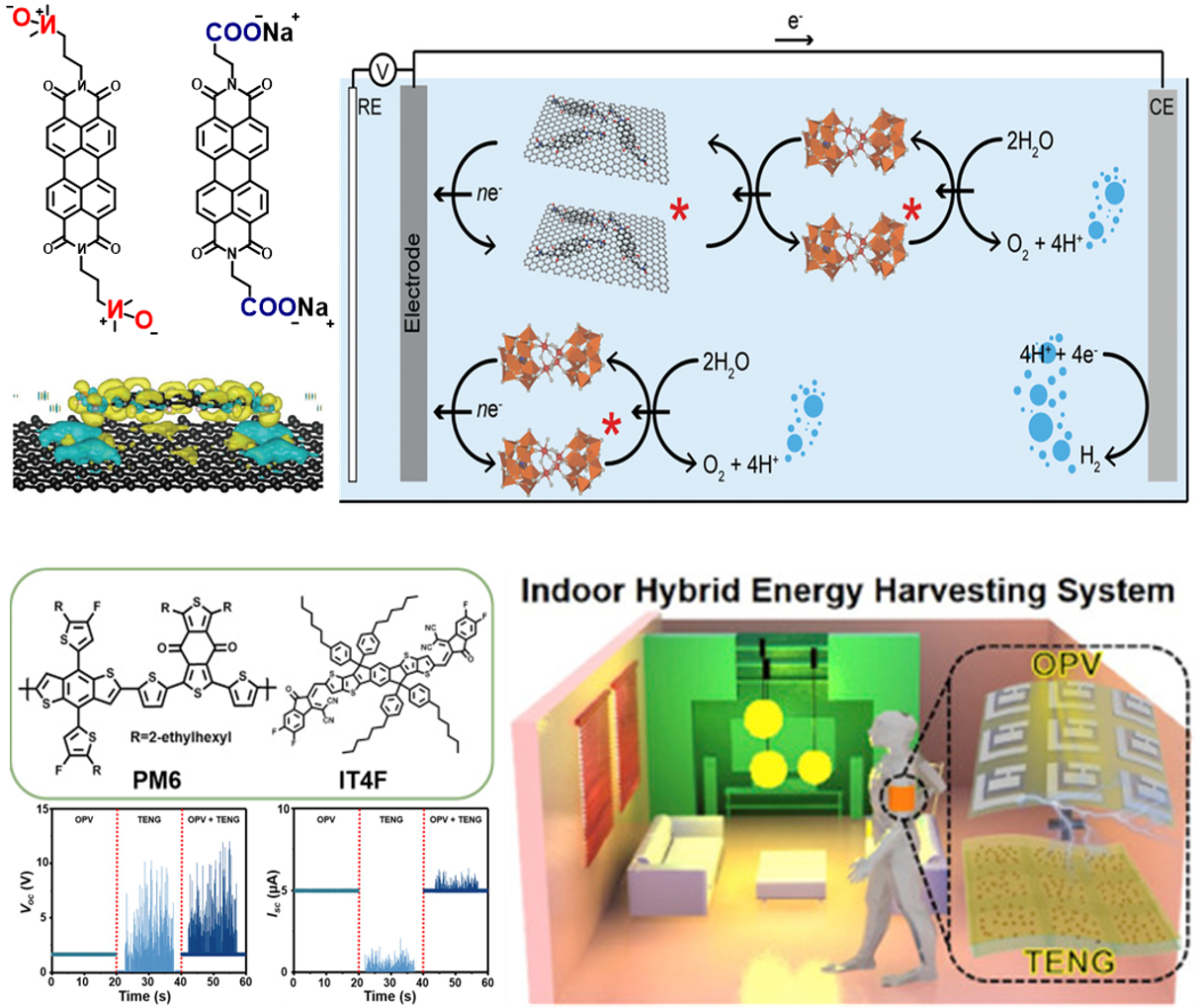
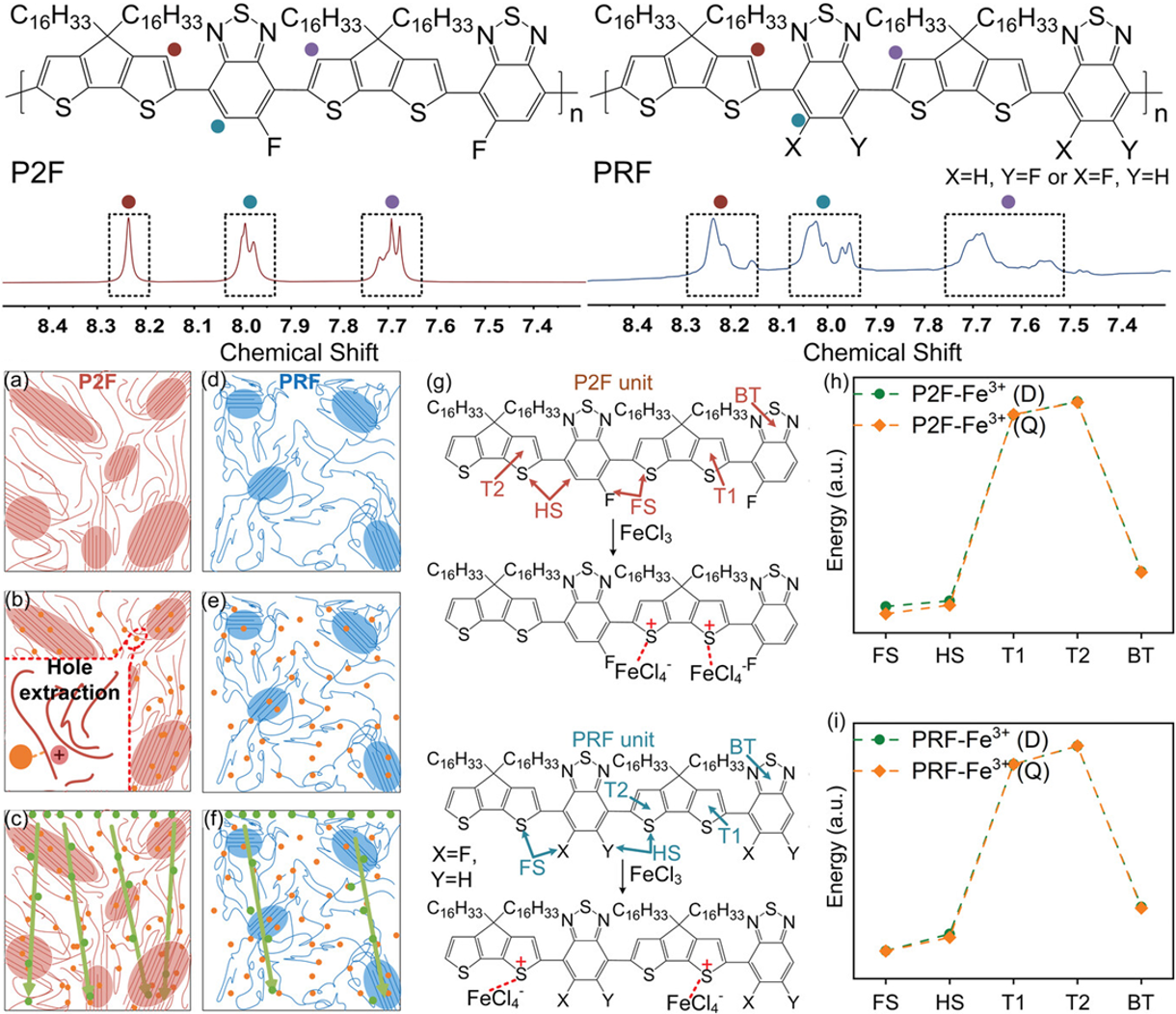
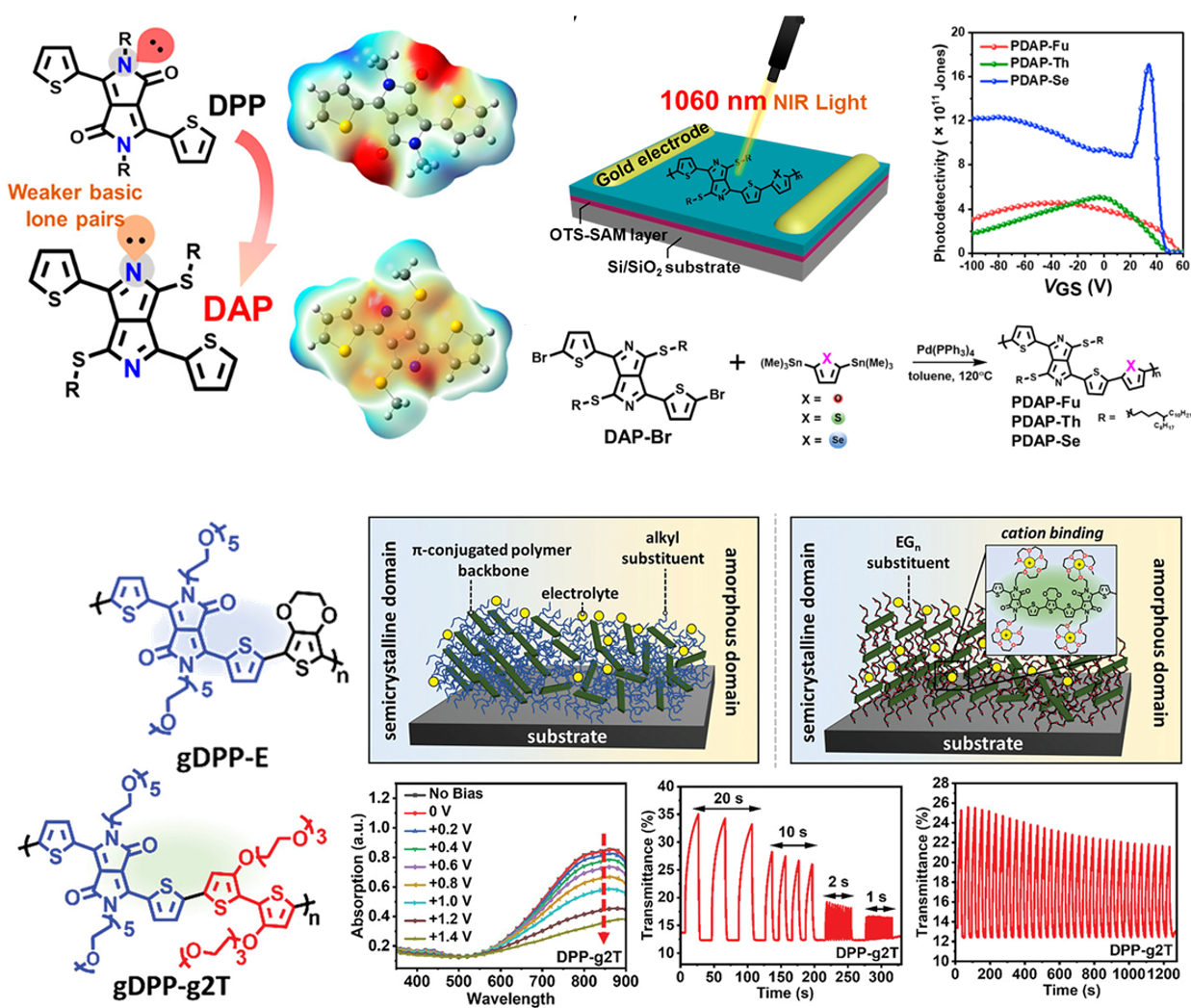
Through the design/synthesis, analysis, and application/engineering of advanced organic semiconductor materials, we aim to bridge chemistry and technology to shape the future of energy and electronics.
Potential of Organic Semiconductor (Principle & Advantages)
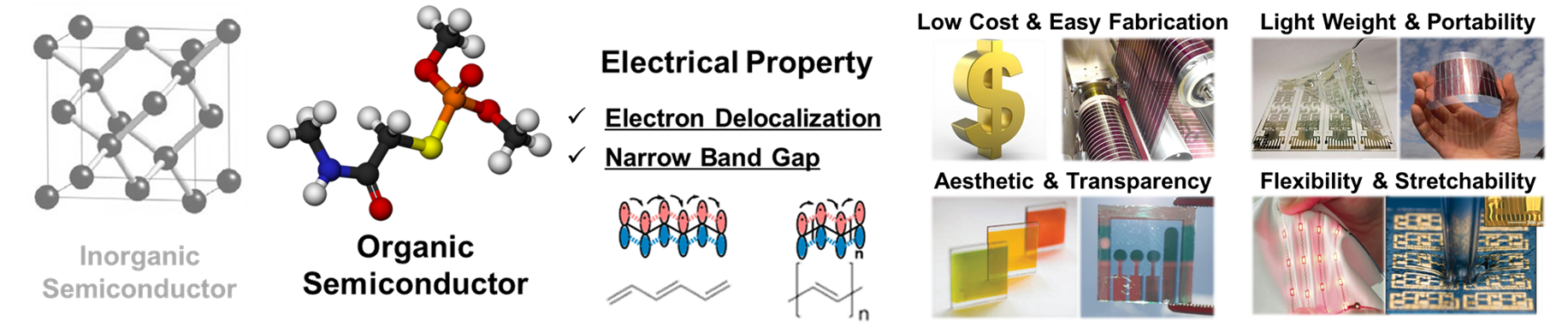
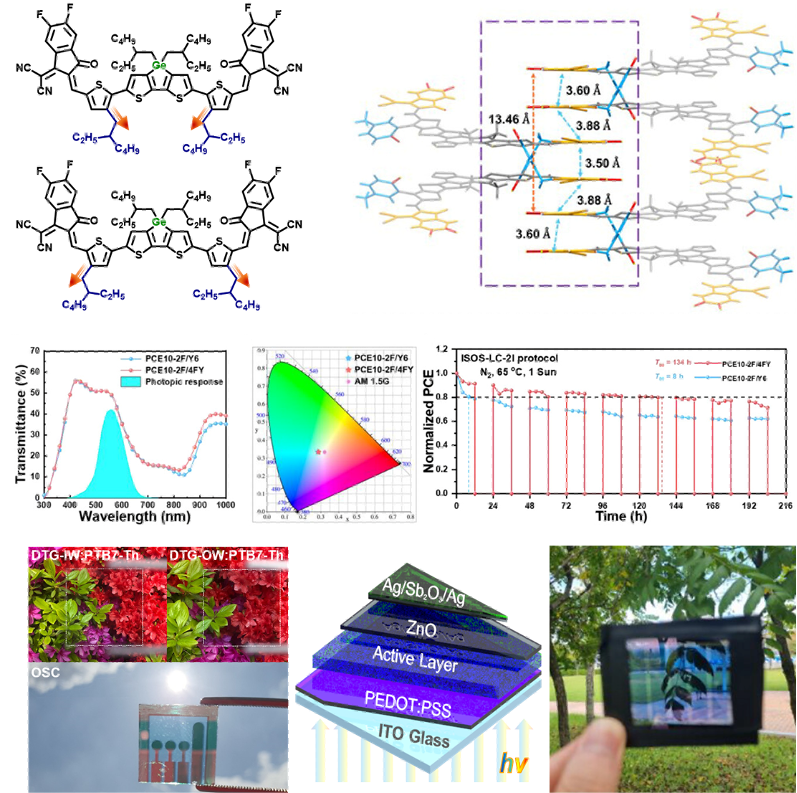
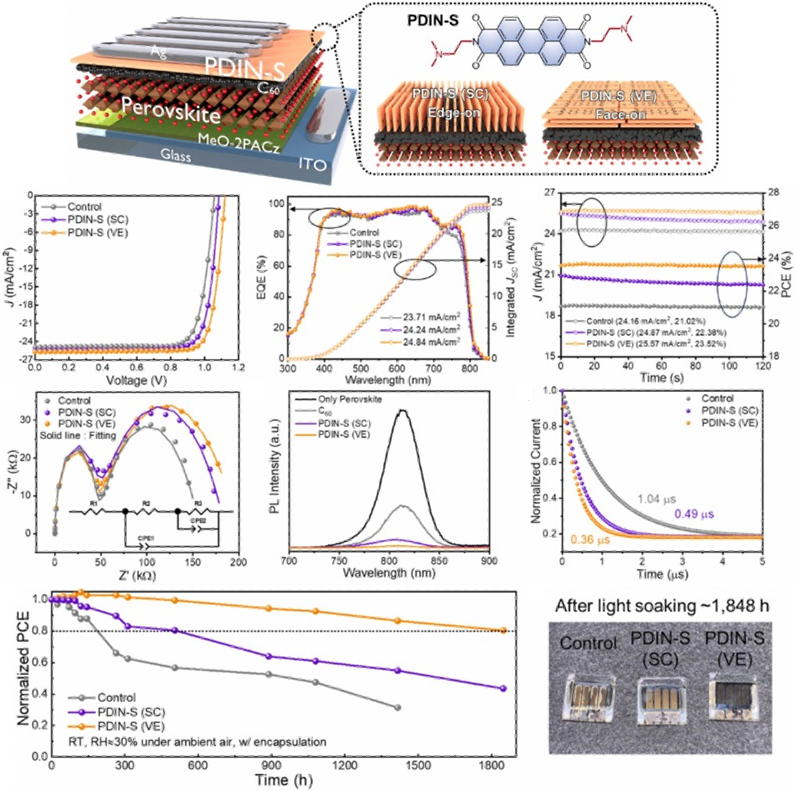
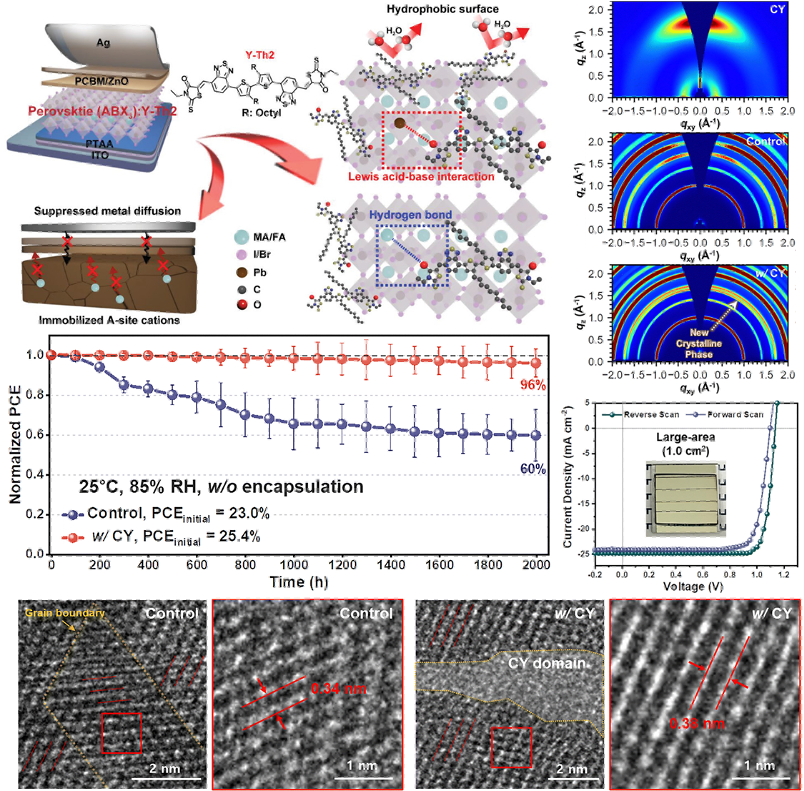
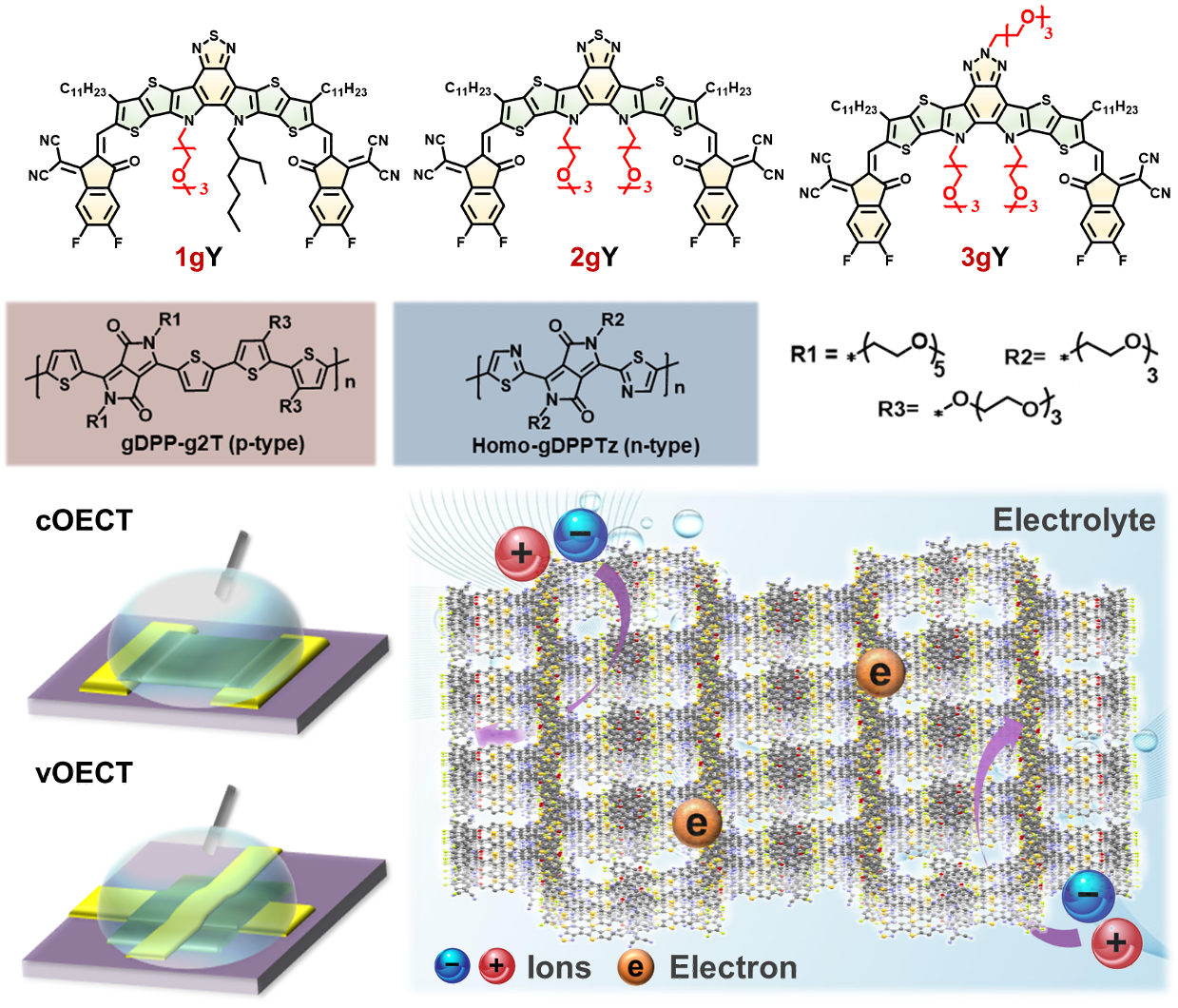
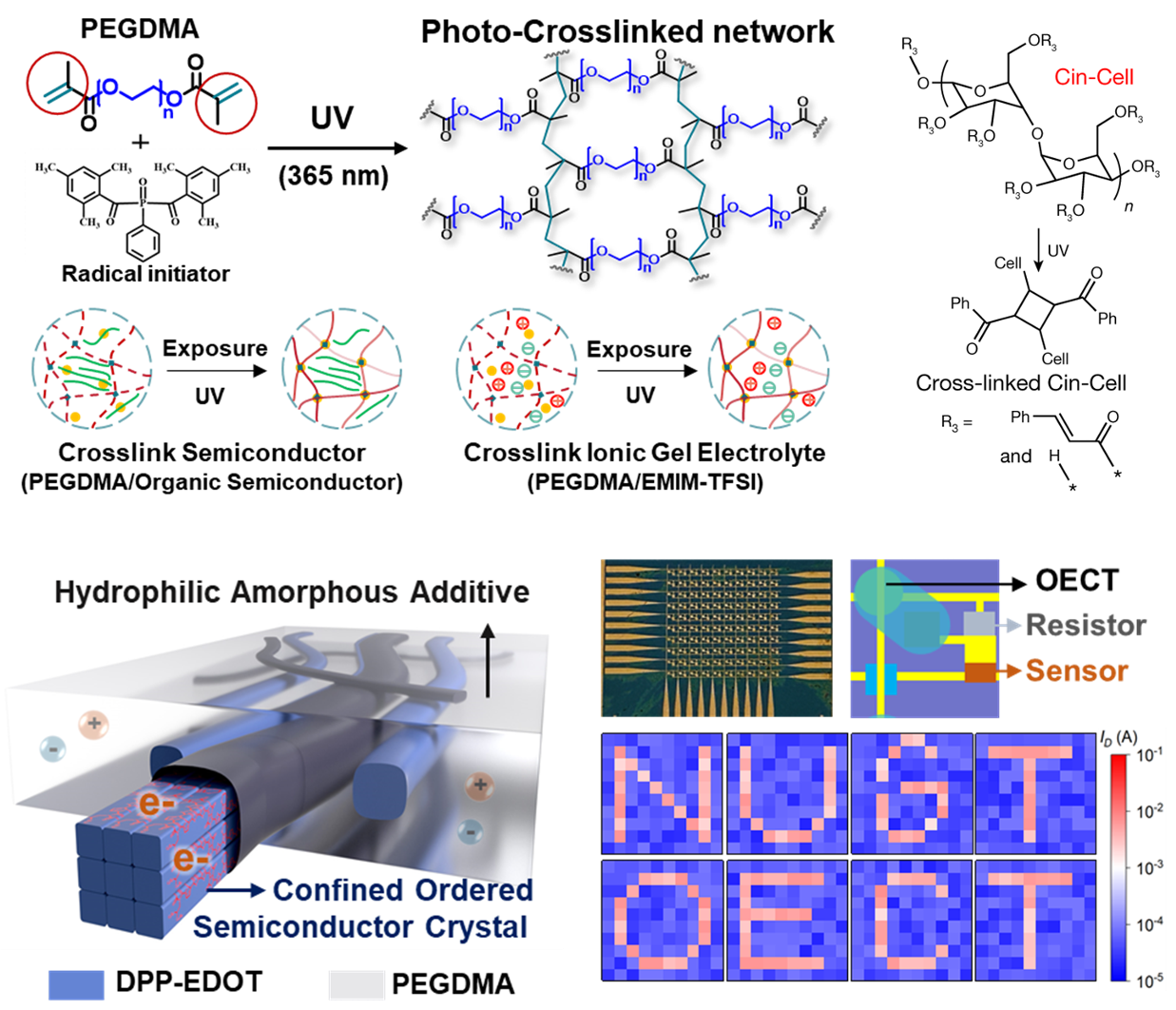
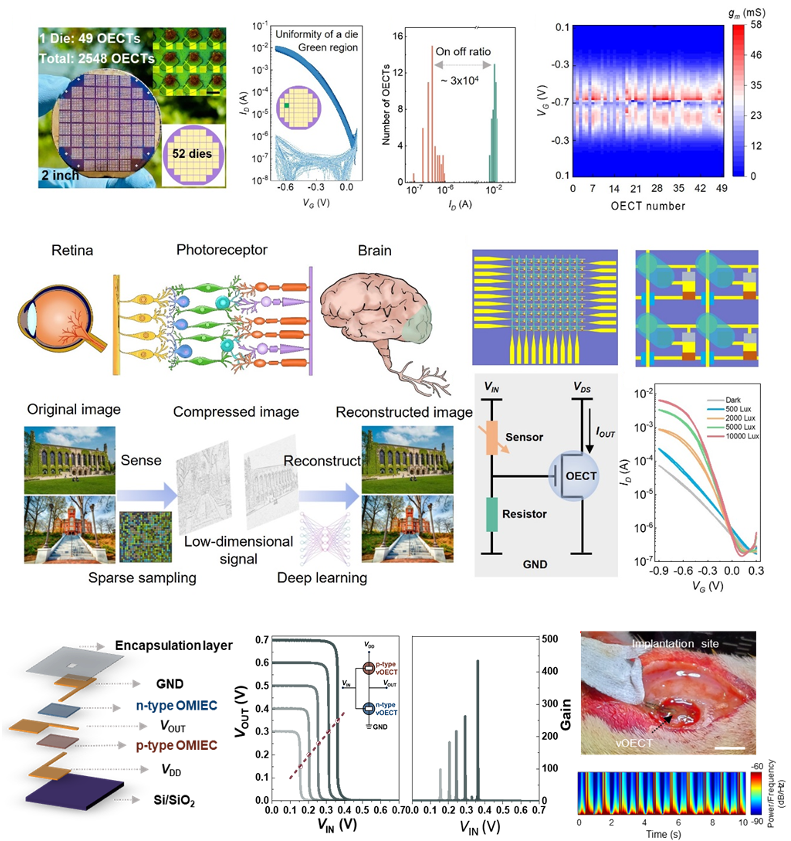
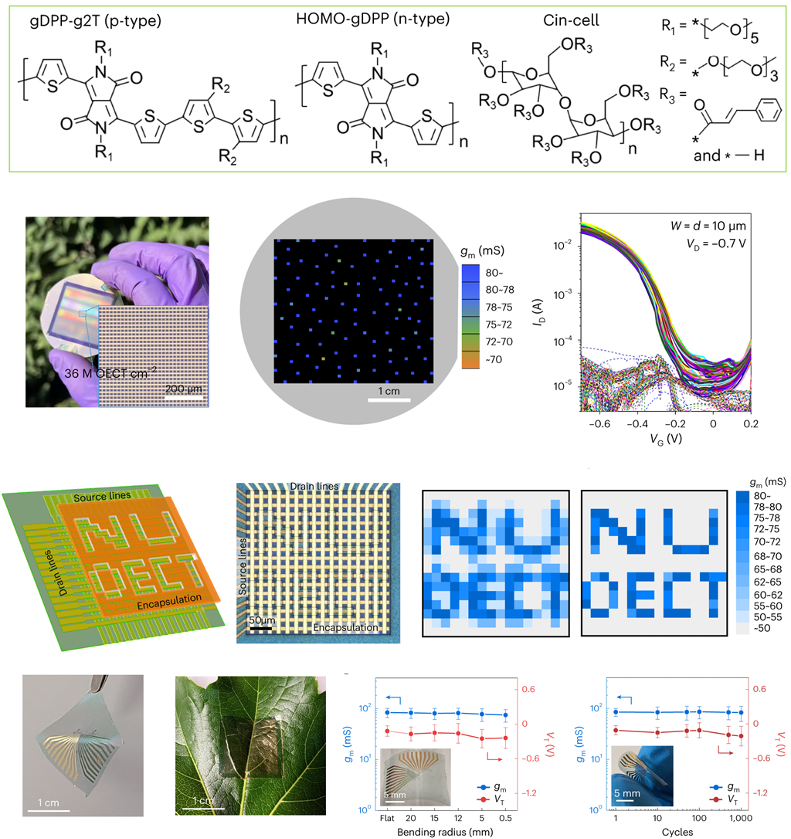
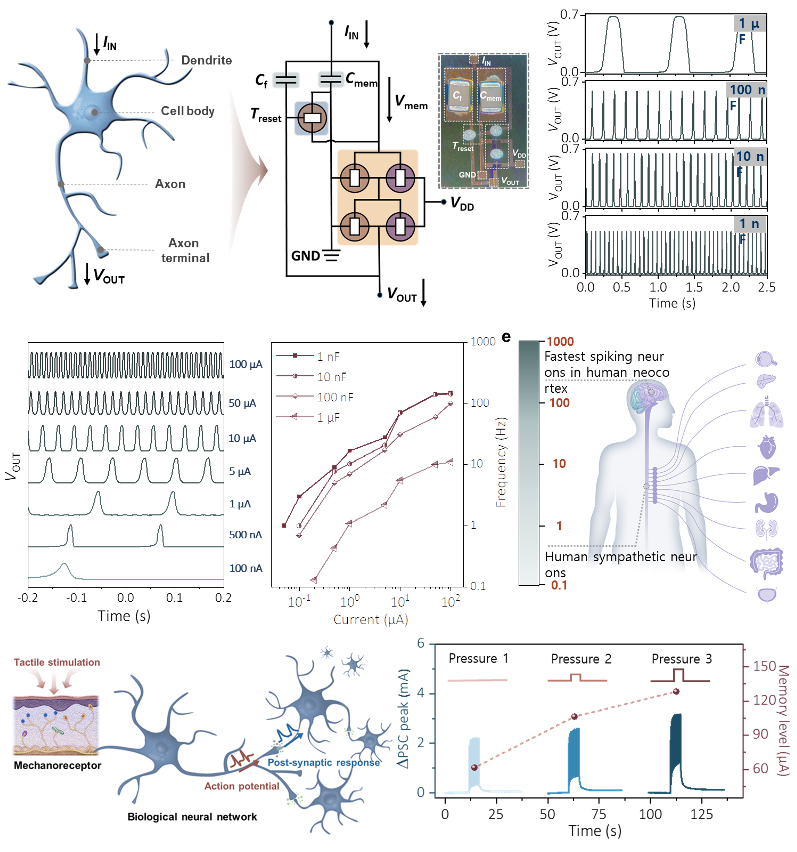
Organic semiconductors represent a new class of materials that merge the creativity of chemistry with the power of electronics. Unlike conventional silicon, they are lightweight, flexible, cost-effective, and aesthetically tunable, opening new opportunities for next-generation energy and electronic technologies such as wearable solar cells, flexible displays, encryption systems, and bio-integrated devices.
Structural Autonomy of Organic Semiconductor (Top-Down Approach)
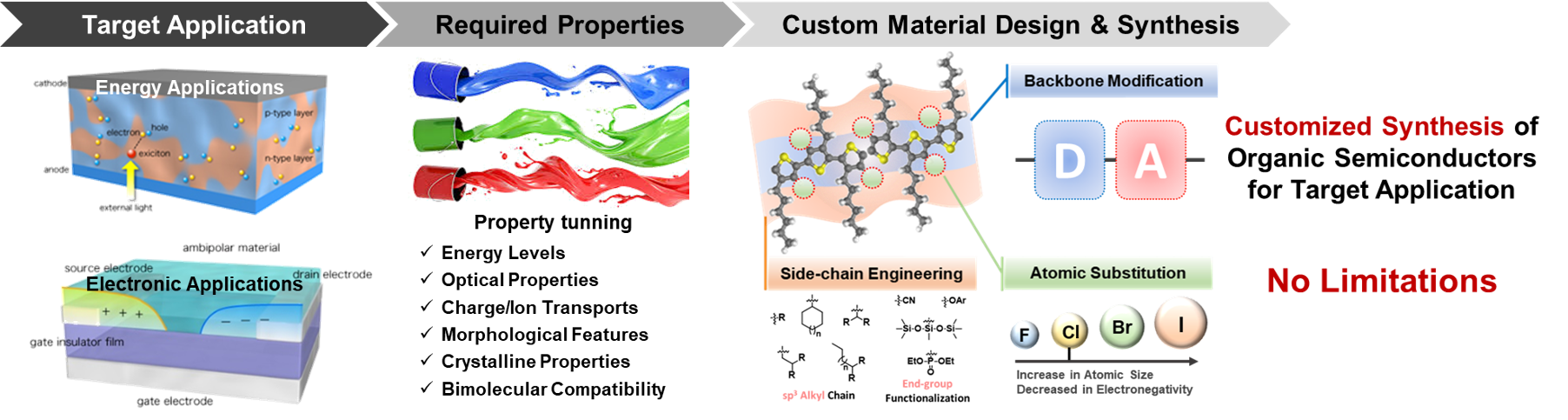
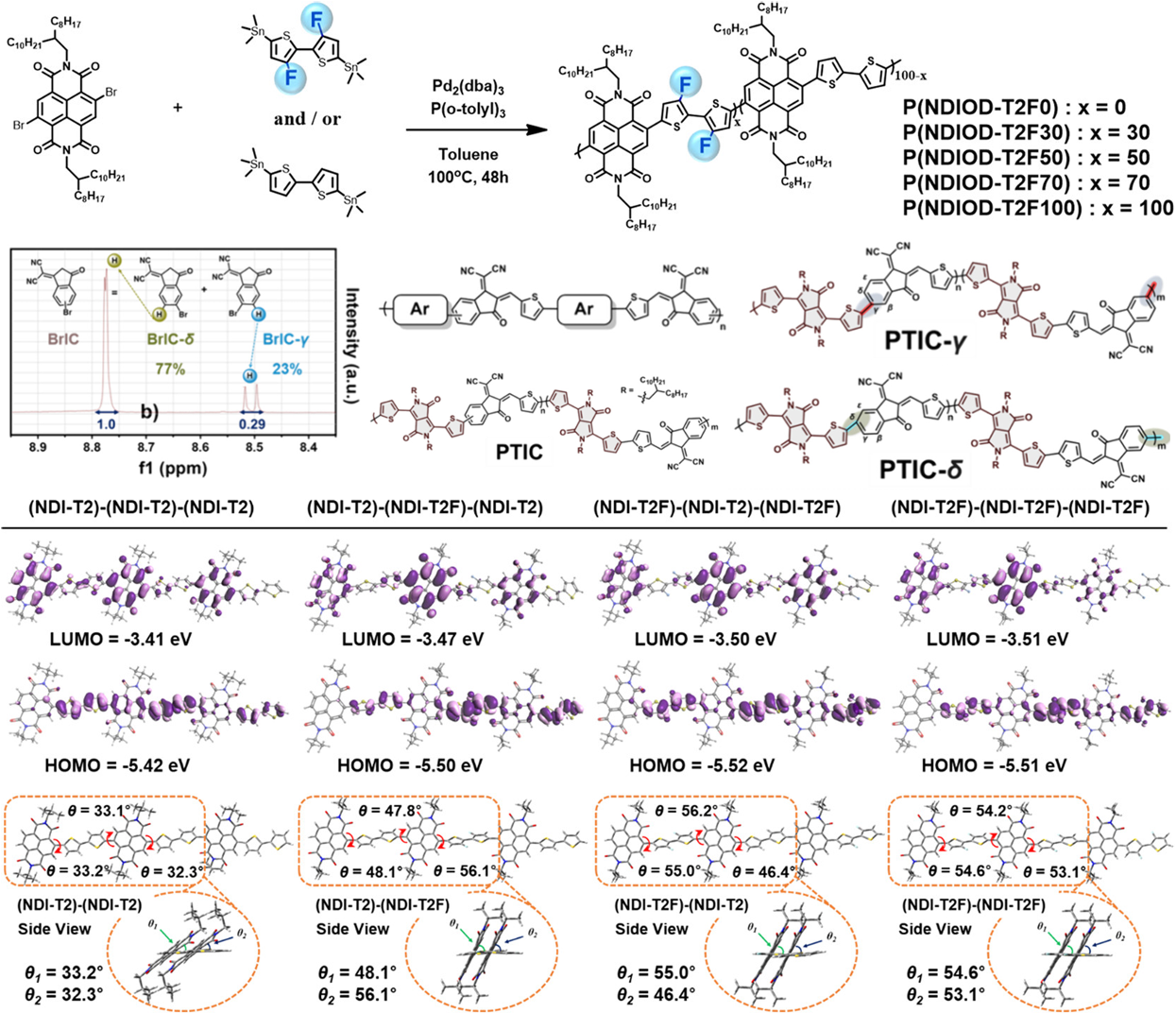
Unlike inorganic semiconductors, organic semiconductors possess intrinsic structural autonomy. This unique flexibility enables a top-down approach to material development, allowing precise control over molecular design, synthesis, and device integration. Such versatility represents unlimited possibilities for next-generation energy and electronic applications.